
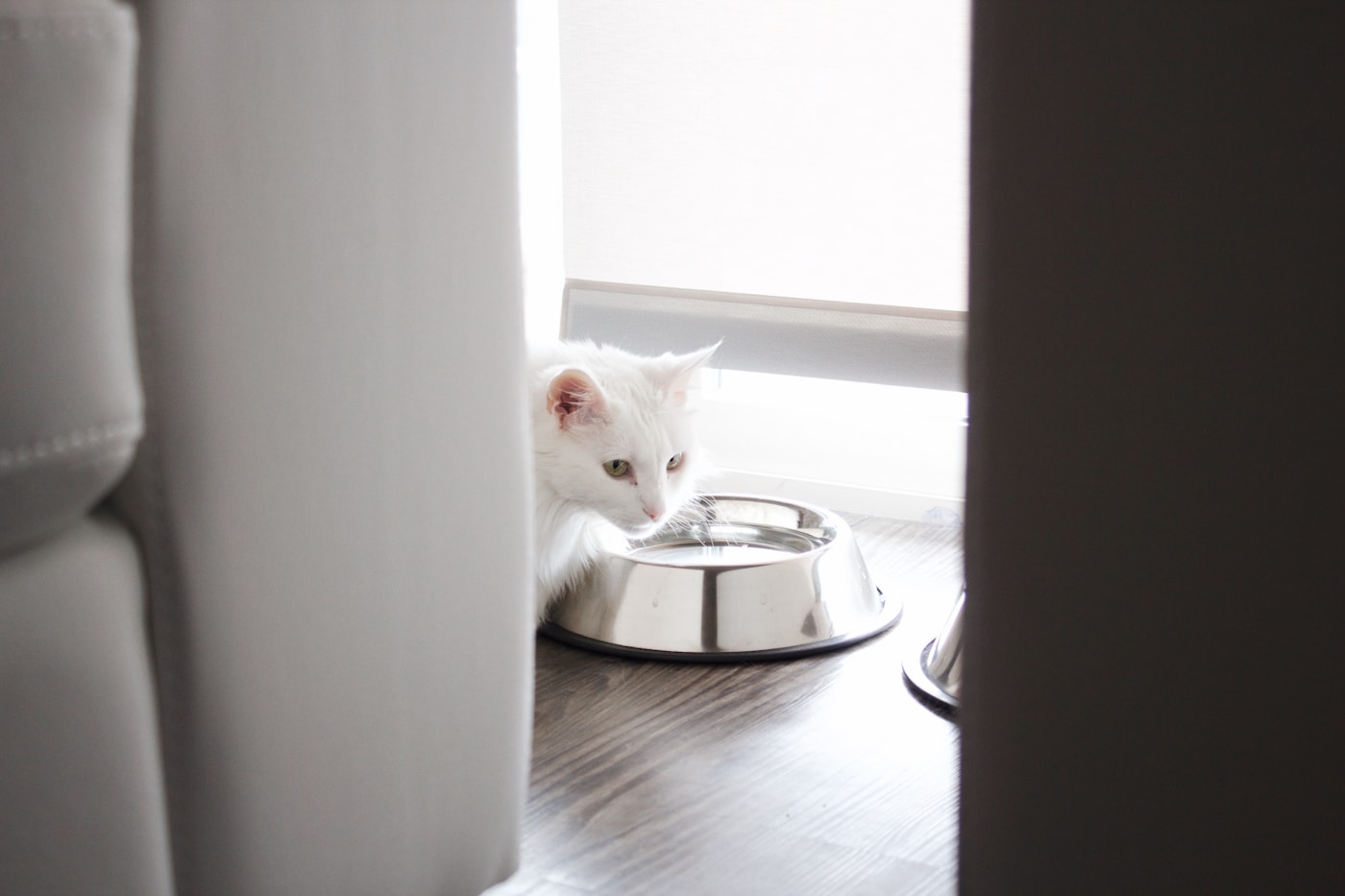
Build one calm base room first
Prepare one calm base room before buying a houseful of accessories. The essentials are separated food, water, and litter; a secure hiding place; a resting area; a scratch surface; safe play; and an open carrier that can become familiar rather than appearing only for stressful trips.
Placement matters as much as the products. A shy cat may need quiet access and cover, a senior cat may need low entries and nonslip paths, and a multi-pet home needs separate resources and gradual introductions. Keep receipts until the cat’s preferences become clear.
Product types worth comparing
Litter, bowls, carrier, scratcher, and hiding space are the first essentials. Fountains, trees, and feeders can wait until the cat settles. Simple supervised toys are better than a crowded toy pile. These options can all be useful, but they solve different jobs. The best starting point is the product type that matches the current routine with the least extra maintenance.
Starter-supply photos should show practical scale: litter box entry height, carrier openings, scratcher size, bowl depth, and hiding-space dimensions. New owners need usable setup clues, not only tidy lifestyle bundles.
What to check on the merchant page
Check dimensions, materials, cleaning method, placement needs, shipping timing, return rules. Those details are more useful than a long feature list because they affect whether the product will still work after the first week.
Check each merchant page for current dimensions, materials, cleaning instructions, shipping, and return terms. Petpickr does not list static marketplace prices or copy product reviews; this guide is for planning the first setup before final checkout.
Claims that deserve caution
Be careful with claims like must-have, stress-free, or perfect starter kit. A product can be useful without pretending to solve every problem. Strong claims should come with clear measurements, instructions, limitations, and maintenance guidance.
Supplies support a smoother arrival, but they do not replace veterinary planning, parasite care, diet advice, or behavior help. If the cat is hiding constantly, not eating, eliminating outside the box, or showing pain, ask a professional.
How to choose between similar options
When two starter products seem equal, choose the one that gives clearer dimensions and fewer promises. A plain carrier, litter box, or scratcher that fits the home is better than a bundle filled with items that will not be used.
A new-cat setup adds scooping, washing, food storage, toy rotation, and gradual introductions. Buy supplies that make those jobs simpler because the first weeks are already full of routine changes.
Internal links for the next step
For related buying context, compare how to prepare for a new cat, cat litter boxes, cat enrichment ideas. These pages cover adjacent routines so the final choice is not made from one product listing alone.
Practical verdict
For best new cat owner supplies, choose the option that gives the clearest fit, easiest maintenance, and most honest limitations. Skip products that hide measurements, lean on unsupported claims, or make the owner guess how cleaning and setup will work. The best pick is the one that fits the pet and the home after the novelty wears off.
FAQ
What should I compare first?
Start with first-week essentials before optional extras. That detail usually decides whether the product is even worth comparing further.
What is the biggest mistake buyers make?
The biggest mistake is trusting a broad label before checking whether the product helps the base camp setup. Product names are less reliable than measurements, materials, care instructions, and use limits.
Should I choose the most feature-heavy option?
No. Starter bundles, extra toys, covered boxes, or decorative furniture help only when they match the cat and space. Prioritize basics that are cleanable, correctly sized, and easy to place.
When should I avoid buying immediately?
Pause when the listing lacks size, material, or care details, or when the product decision is connected to health, pain, anxiety, medication, diet, or behavior concerns.
Set up one calm base room first
A new cat does not need the entire shopping list on day one. The first goal is a predictable room with separated food, water, litter, hiding, resting, scratching, and carrier access.
A practical pre-purchase worksheet
- Choose a litter box large enough for comfortable turning.
- Keep food and water away from the litter area.
- Offer a hiding place that remains easy to inspect.
- Provide a stable vertical or elevated option when safe.
- Leave the carrier open as part of the room.
- Use breakaway identification appropriate to the cat’s situation.
- Secure cords, strings, plants, medications, and small swallowable objects.
- Keep receipts until the cat’s preferences become clear.
Which situation sounds like yours?
| Household situation | What deserves priority |
|---|---|
| Shy adult cat | Spend on hiding and predictable access before electronic entertainment. |
| Active kitten | Prioritize pet-proofing, safe play, and replaceable basics. |
| Senior cat | Use low entries, nonslip paths, and easy resource access. |
| Multi-pet home | Plan separate resources and gradual introductions. |
Try this before ordering
Draw the base room on paper and mark every resource. If food, water, litter, bed, and hiding all occupy one crowded corner, rearrange before buying more items.
The resource map matters more than the shopping list
Feline environmental guidance identifies food, water, litter boxes, toys, safe places, and vertical space as distinct resources. In practice, that means a new owner should think about placement and access instead of buying a matching cluster of products for one corner.
AAHA also recommends looking at the home from the pet’s level when pet-proofing. That simple exercise is especially useful for finding cords, small objects, unstable furniture, plants, and gaps before a new cat arrives.
Next step
Keep comparing before you buy
Use best new cat owner supplies alongside related guides and category archives before checking merchant pages.