
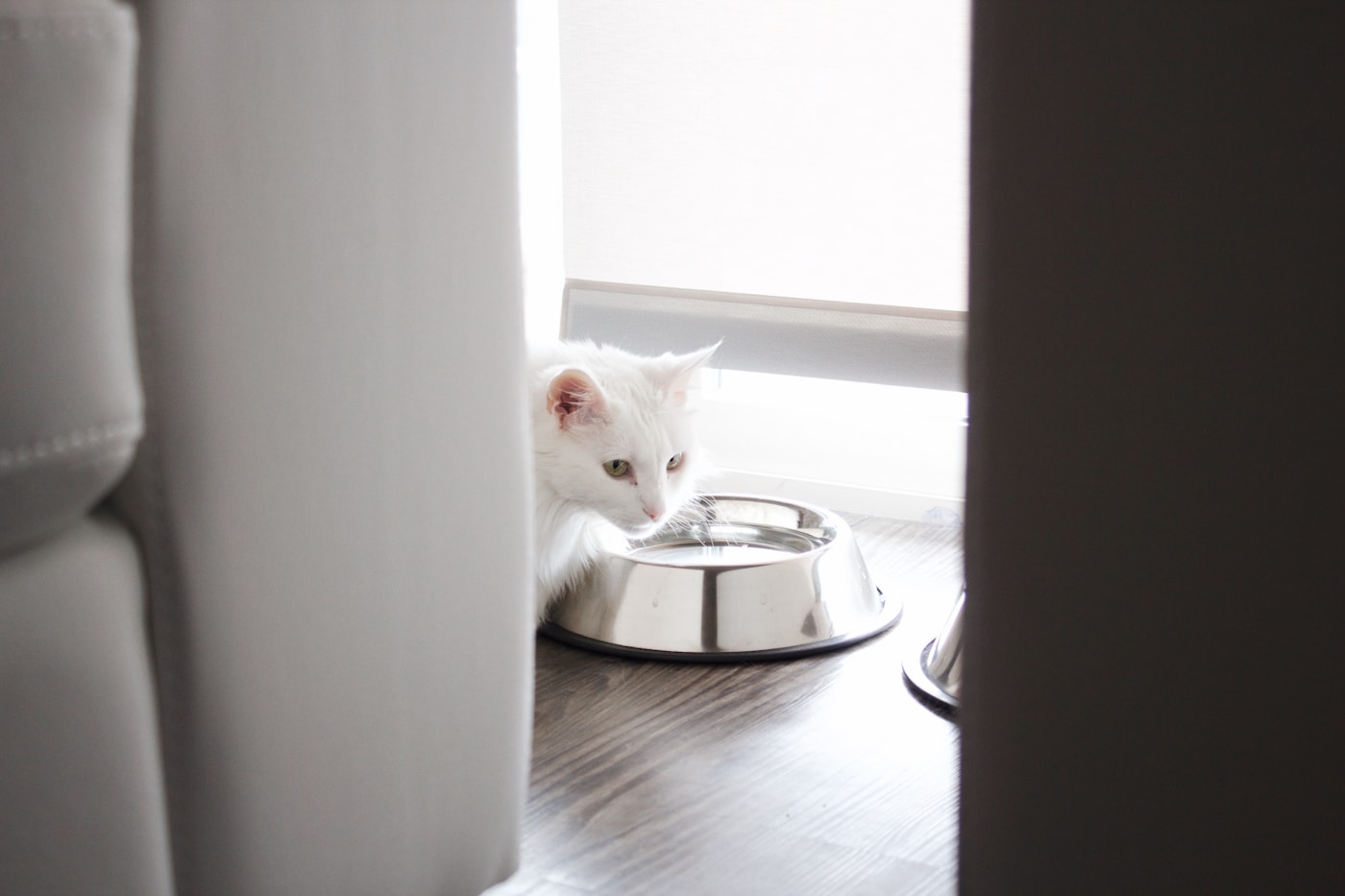
Begin with the meal size and failure plan
An automatic feeder should reproduce a feeding plan that already works. Weigh a normal meal, note the kibble shape, and confirm the smallest programmable portion before comparing cameras, voice recordings, or app extras. Portion settings described only as “servings” are impossible to judge without a gram range.
Plan for failure as carefully as convenience. Check what happens after a jam, empty hopper, power cut, dead backup batteries, or lost Wi-Fi. In a multi-cat home, automation does not prevent stealing or guarding, and a feeder never replaces human check-ins when the owner travels.
Product types worth comparing
Timed dry-food feeders can split meals through the day. Microchip feeders can help in multi-cat homes where access matters. App-connected feeders add control but also add setup and privacy questions. These options can all be useful, but they solve different jobs. The best starting point is the product type that matches the current routine with the least extra maintenance.
Feeder photos should reveal the bowl shape, food path, lid access, and display controls. If the listing only shows a polished front view, it is harder to judge whether kibble can jam, whether the bowl removes, or whether the hopper is practical to clean.
What to check on the merchant page
Check portion range, food compatibility, bowl removal, power backup, app requirements, cleaning instructions. Those details are more useful than a long feature list because they affect whether the product will still work after the first week.
Use the seller page to confirm app requirements, portion range, battery backup, plug type, warranty, and current variants. Petpickr avoids static prices and copied marketplace reviews, so the final purchase details still need to come from the active merchant listing.
Claims that deserve caution
Be careful with claims like perfect portions, anxiety-free feeding, or hands-off care. A product can be useful without pretending to solve every problem. Strong claims should come with clear measurements, instructions, limitations, and maintenance guidance.
An automatic feeder cannot solve weight, appetite, vomiting, medication, or multi-cat food-guarding questions by itself. If feeding is tied to a health condition or diet plan, check the setup with a veterinarian before choosing a timed device.
How to choose between similar options
For similar feeders, the better option is usually the one that explains portion calibration, cleaning access, and backup behavior after a power loss. A large hopper or camera is less important if the basic schedule is hard to verify.
Automation does not remove maintenance. Owners still need to wash bowls, check food freshness, test the schedule, refill safely, and keep a backup plan for travel days or app failures.
Internal links for the next step
For related buying context, compare pet feeding setup guide, pet bowls, new cat setup. These pages cover adjacent routines so the final choice is not made from one product listing alone.
Practical verdict
For best automatic cat feeders for busy pet owners, choose the option that gives the clearest fit, easiest maintenance, and most honest limitations. Skip products that hide measurements, lean on unsupported claims, or make the owner guess how cleaning and setup will work. The best pick is the one that fits the pet and the home after the novelty wears off.
FAQ
What should I compare first?
Start with food type and portion range. That detail usually decides whether the product is even worth comparing further.
What is the biggest mistake buyers make?
The biggest mistake is trusting a broad label before checking power backup and cleaning access. Product names are less reliable than measurements, materials, care instructions, and use limits.
Should I choose the most feature-heavy option?
No. Cameras, voice messages, and app schedules are helpful only after the feeder is reliable at dispensing the right food amount. Portion accuracy and cleaning access come before extra electronics.
When should I avoid buying immediately?
Pause when the listing lacks portion details, app limits, or bowl cleaning instructions, or when the product decision is connected to health, pain, anxiety, medication, diet, or behavior concerns.
Test the feeding routine before buying automation
Automation helps only when the feeder can reproduce the portions and schedule your cat already handles well. It should not be used to guess at diet changes, disguise appetite changes, or leave a cat unobserved for long periods.
A practical pre-purchase worksheet
- Weigh one normal meal instead of relying on a scoop.
- Check the smallest programmable portion in grams.
- Confirm whether portions stay accurate with your kibble size and shape.
- Look for a visible low-food or jam alert.
- Check what happens after a power or Wi-Fi failure.
- Choose a bowl that separates easily for washing.
- Measure whisker clearance and eating height.
- Keep the original food bag and lot information available.
Which situation sounds like yours?
| Household situation | What deserves priority |
|---|---|
| Single cat, predictable meals | A simple timed feeder may be enough; app features add little. |
| Multiple cats | A shared hopper does not prevent food guarding or meal theft. |
| Prescription or mixed diets | Ask the veterinarian how missed meals and portion errors should be handled. |
| Frequent travel | Arrange human check-ins; a feeder is not a pet sitter. |
Try this before ordering
Use a kitchen scale and serve the proposed schedule manually for seven days. Record leftovers, early begging, and whether another pet steals food. Those observations define the feeder features you actually need.
Next step
Keep comparing before you buy
Use best automatic cat feeders for busy pet owners alongside related guides and category archives before checking merchant pages.