
Test coverage where the dog actually goes
A GPS tracker is useful only when it is attached, charged, and connected in the places the dog actually goes. Check the provider’s network coverage along normal walks and escape routes, then compare live-update frequency, lost-signal behavior, device weight, attachment security, and battery life under frequent tracking.
Include the subscription after any introductory period in the real cost. A tracker complements a readable ID tag, current microchip registration, secure gates, and recall training; it does not replace them. Set a weekly charging routine and confirm that every caregiver can access alerts.
Product types worth comparing
Cellular GPS trackers offer live location but usually need subscriptions. Bluetooth tags help nearby locating but are not full GPS trackers. Activity-focused trackers add estimates that should not be treated as medical data. These options can all be useful, but they solve different jobs. The best starting point is the product type that matches the current routine with the least extra maintenance.
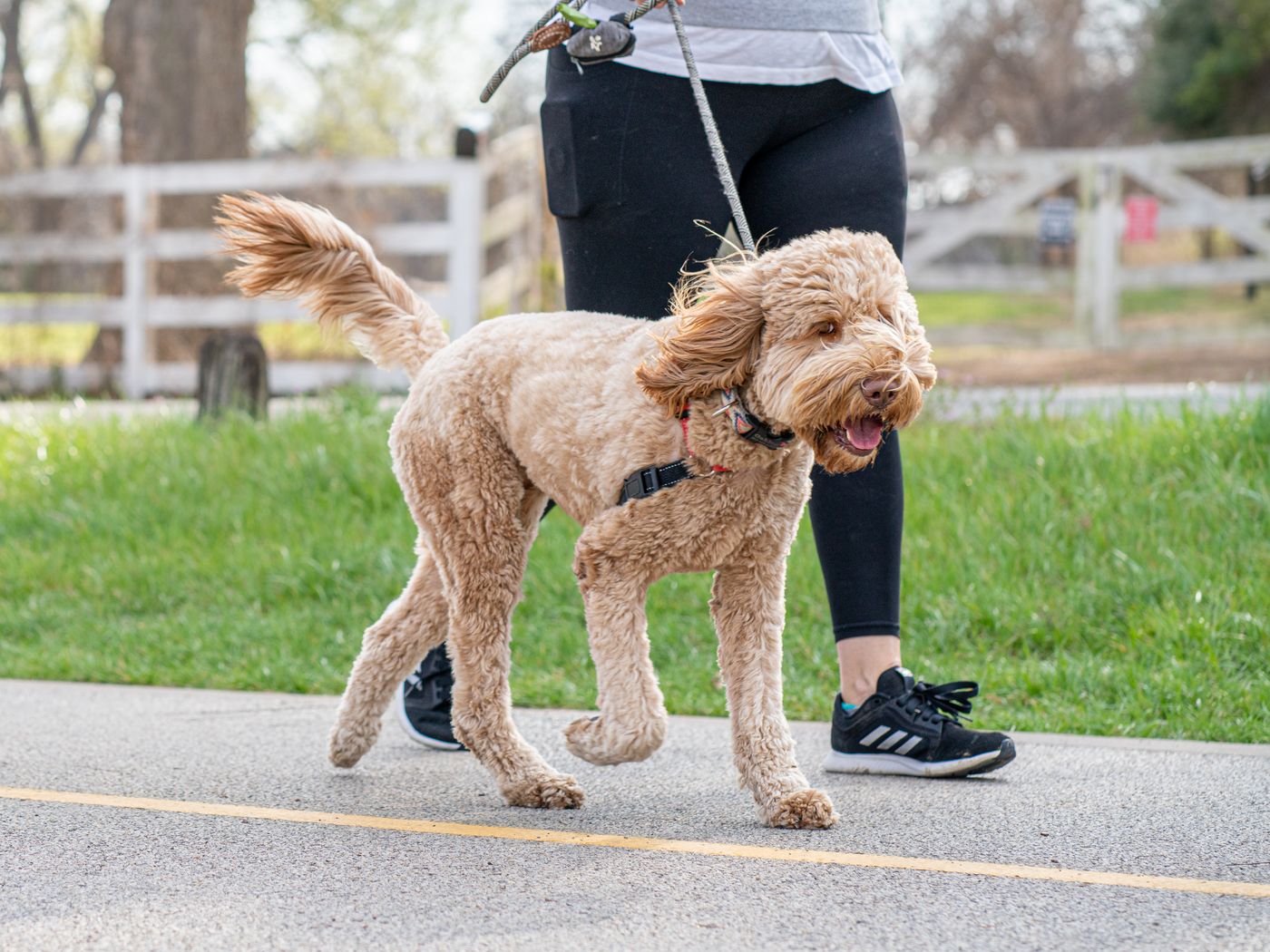
Tracker photos should show the actual device on a collar, charging dock, clip, and size next to a hand. A tiny product render does not tell you whether the tracker will bounce, twist, or bother a small dog.
What to check on the merchant page
Check subscription cost, coverage area, battery life, attachment method, water resistance, app requirements. Those details are more useful than a long feature list because they affect whether the product will still work after the first week.
Verify current subscription terms, coverage, battery estimates, collar compatibility, warranty, and app requirements on the merchant page. Petpickr does not quote static marketplace prices, so ongoing costs need checking before purchase.
Claims that deserve caution
Be careful with claims like never lose your dog, real-time everywhere, or no subscription surprises. A product can be useful without pretending to solve every problem. Strong claims should come with clear measurements, instructions, limitations, and maintenance guidance.
A GPS tracker is a backup layer, not a replacement for secure fencing, leash handling, training, or medical care. Escape behavior, panic, or wandering in senior dogs may require professional guidance beyond a device.
How to choose between similar options
When two trackers are close, compare subscription clarity, battery life under real update frequency, waterproof language, and alert settings. Coverage and reliability matter more than a feature list that looks impressive in an app screenshot.
Trackers add charging, app updates, subscription management, collar checks, and occasional troubleshooting. If those chores will be skipped, a simpler identification and containment plan may be more dependable.
Internal links for the next step
For related buying context, compare dog harnesses, dog travel checklist, pet cameras. These pages cover adjacent routines so the final choice is not made from one product listing alone.
Practical verdict
For best gps dog trackers, choose the option that gives the clearest fit, easiest maintenance, and most honest limitations. Skip products that hide measurements, lean on unsupported claims, or make the owner guess how cleaning and setup will work. The best pick is the one that fits the pet and the home after the novelty wears off.
FAQ
What should I compare first?
Start with coverage and subscription terms. That detail usually decides whether the product is even worth comparing further.
What is the biggest mistake buyers make?
The biggest mistake is trusting a broad label before checking battery routine and attachment security. Product names are less reliable than measurements, materials, care instructions, and use limits.
Should I choose the most feature-heavy option?
No. Activity tracking, lights, virtual fences, and social features are secondary. The core value is whether the tracker stays attached, updates reliably, and fits the dog without becoming daily friction.
When should I avoid buying immediately?
Pause when the listing lacks coverage details, subscription pricing, or fit guidance, or when the product decision is connected to health, pain, anxiety, medication, diet, or behavior concerns.
Define the failure you need to prevent
A GPS tracker is a recovery aid, not a fence and not a substitute for identification. Microchip records, a readable ID tag, secure gates, and recall training still matter when the battery is empty or coverage disappears.
A practical pre-purchase worksheet
- Check cellular coverage where the dog actually walks.
- Review the full subscription cost after promotional periods.
- Measure device weight against collar size.
- Check attachment security during scratching and play.
- Compare live-update frequency with battery-life claims.
- Find out what the app shows when signal is lost.
- Confirm account sharing for other caregivers.
- Test alert delivery with phone power-saving modes enabled.
Which situation sounds like yours?
| Household situation | What deserves priority |
|---|---|
| Urban escape risk | Fast updates may matter more than maximum theoretical range. |
| Rural hiking | Coverage gaps and offline behavior deserve close attention. |
| Small dog | Device bulk and attachment leverage can rule out otherwise capable trackers. |
| Frequent swimming | Read immersion limits and inspect seals after charging. |
Try this before ordering
Borrow or test the network with a phone on the same carrier along the normal route. Then schedule a weekly charging habit; a tracker that is often on the charger is not available when the gate opens.
Next step
Keep comparing before you buy
Use best gps dog trackers alongside related guides and category archives before checking merchant pages.