
Follow the litter, not the box shape
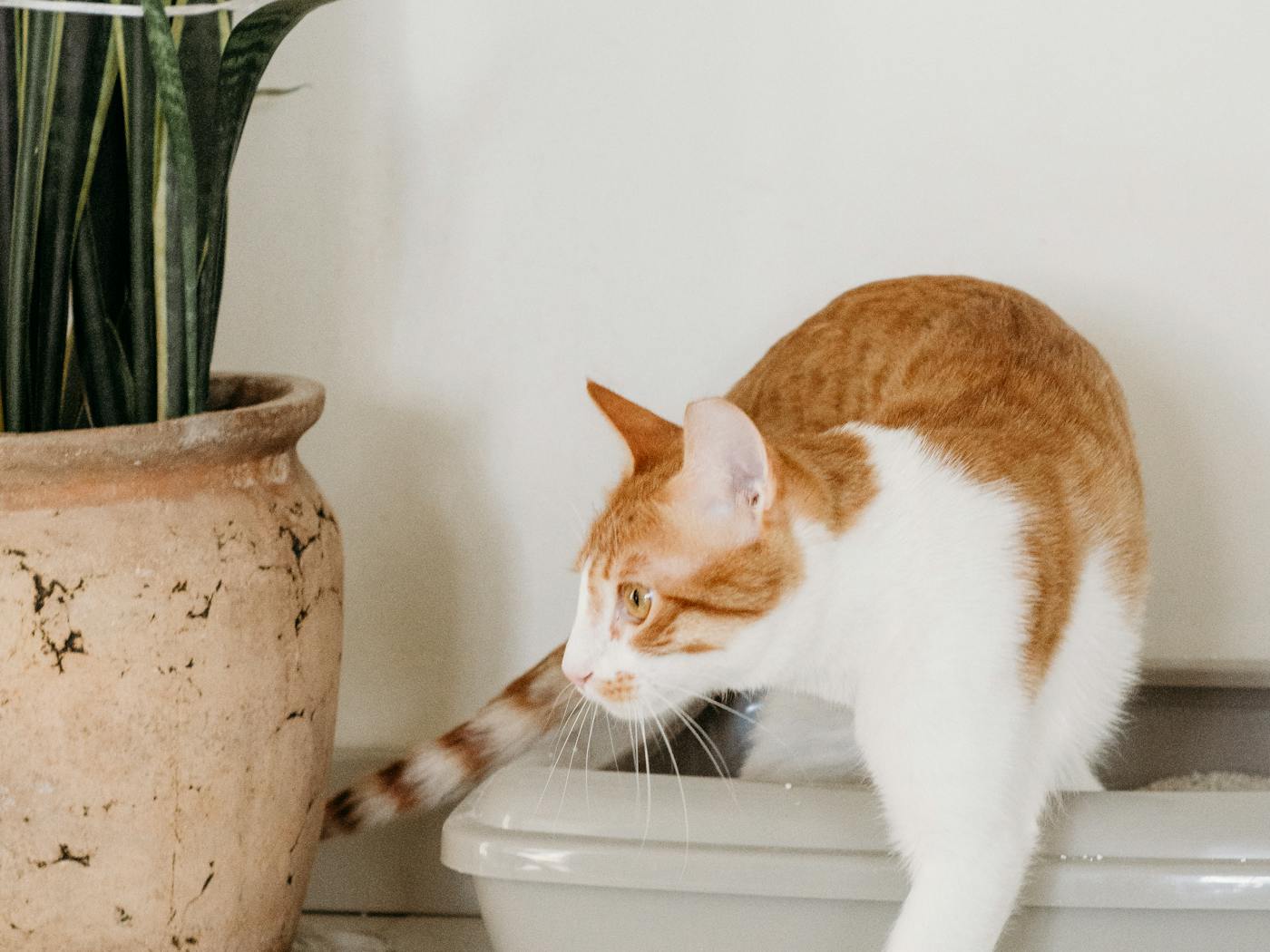
Watch the cat leave the litter box before choosing a mat. The useful coverage area begins where the front paws land and continues through the first turn or shake—not necessarily in a neat rectangle centered on the entrance. A towel placed for three days can reveal the real scatter pattern.
The mat must also suit the floor and cleaning routine. Check backing compatibility with wood or vinyl, claw-catching texture, door clearance, drying time, and whether trapped litter can be emptied without spilling. A mat reduces spread; it does not fix an undersized box, unsuitable litter, or a rushed exit.
Product types worth comparing
Flat textured mats are simple to shake and wash. Honeycomb mats can trap litter when the layers open easily. Waterproof mats can protect floors but must dry fully. These options can all be useful, but they solve different jobs. The best starting point is the product type that matches the current routine with the least extra maintenance.
Mat photos should show edge height, texture depth, underside grip, and how litter is emptied. A close-up pattern is not enough; the listing should make it obvious whether the surface is soft enough for paws and large enough for the box exit.
What to check on the merchant page
Check mat dimensions, surface texture, underside grip, waterproofing, cleaning method, floor compatibility. Those details are more useful than a long feature list because they affect whether the product will still work after the first week.
Confirm current dimensions, color, waterproof layer, return terms, and cleaning instructions on the seller page. Petpickr does not store marketplace prices or reuse customer review language, so the merchant listing remains the source for live purchase details.
Claims that deserve caution
Be careful with claims like no tracking, odor-proof, or guaranteed clean floors. A product can be useful without pretending to solve every problem. Strong claims should come with clear measurements, instructions, limitations, and maintenance guidance.
A mat may reduce scatter, but it will not fix litter avoidance, pain entering the box, urinary problems, or sudden bathroom changes. Those situations need veterinary context before a product swap becomes the main solution.
How to choose between similar options
If two mats look alike, choose the one that gives real dimensions and a cleaning method that matches your home. A deep-trap design can catch more litter, but it may be worse if your cat dislikes the texture or if emptying it is awkward.
The useful mat is the one you will clean often. Large honeycomb mats, flexible waterproof mats, and simple textured mats each add different chores, so match the surface to your floor, litter type, and tolerance for shaking or rinsing.
Internal links for the next step
For related buying context, compare cat litter boxes, pet odor control tips, litter and cleaning hub. These pages cover adjacent routines so the final choice is not made from one product listing alone.
Practical verdict
For best cat litter mats for cleaner floors, choose the option that gives the clearest fit, easiest maintenance, and most honest limitations. Skip products that hide measurements, lean on unsupported claims, or make the owner guess how cleaning and setup will work. The best pick is the one that fits the pet and the home after the novelty wears off.
FAQ
What should I compare first?
Start with the cat’s exit path from the litter box. That detail usually decides whether the product is even worth comparing further.
What is the biggest mistake buyers make?
The biggest mistake is trusting a broad label before checking mat footprint and cleaning method. Product names are less reliable than measurements, materials, care instructions, and use limits.
Should I choose the most feature-heavy option?
No. Bigger layers, deeper pockets, or waterproof backing matter only when they suit the box placement and cat preference. A smaller mat that gets cleaned daily may outperform a bulky mat nobody wants to lift.
When should I avoid buying immediately?
Pause when the listing lacks dimensions, material, or floor-safety details, or when the product decision is connected to health, pain, anxiety, medication, diet, or behavior concerns.
Match the mat to the exit path
A small mat directly in front of the box often misses the real scatter zone. Watch where the cat lands, turns, and shakes its paws. That path—plus the floor finish—should determine the shape and backing.
A practical pre-purchase worksheet
- Trace the cat’s first three steps after leaving the box.
- Measure door swing and robot-vacuum clearance.
- Check whether textured loops can catch claws.
- Confirm the backing is approved for your floor finish.
- Look for a mat that can be lifted without spilling trapped litter.
- Decide whether shaking, vacuuming, or washing will be the main routine.
- Check drying time before choosing a double-layer design.
- Avoid deep grooves that your vacuum cannot reach.
Which situation sounds like yours?
| Household situation | What deserves priority |
|---|---|
| Fast exit from a covered box | Use a longer landing zone in the direction of travel. |
| Side-entry open tray | A wide mat may work better than a narrow runner. |
| Hardwood or luxury vinyl | Verify backing compatibility and check underneath for moisture. |
| Long-haired cat | Favor a gentler surface and easy hair release. |
Try this before ordering
Lay towels or paper in the predicted scatter area for three days. The litter pattern will show the minimum useful dimensions more accurately than product photography.
Next step
Keep comparing before you buy
Use best cat litter mats for cleaner floors alongside related guides and category archives before checking merchant pages.